

When Tim Cook took over Apple from Steve Jobs in 2011, many critics expected the company’s innovation to slow. Cook lacked Jobs’ showmanship and visionary flair, and early reactions often labeled him as “boring.” But as highlighted in PCMag’s opinion piece, that perceived dullness may actually be the reason Apple didn’t just survive—it thrived.
The Power of a “Boring” Leader
Unlike Jobs, who was known for bold, risky innovation, Cook built his reputation on operational excellence. His leadership style is steady, disciplined, and focused on execution rather than spectacle. While this approach may not generate headlines, it creates consistency—something that’s critical for a company operating at Apple’s massive scale.
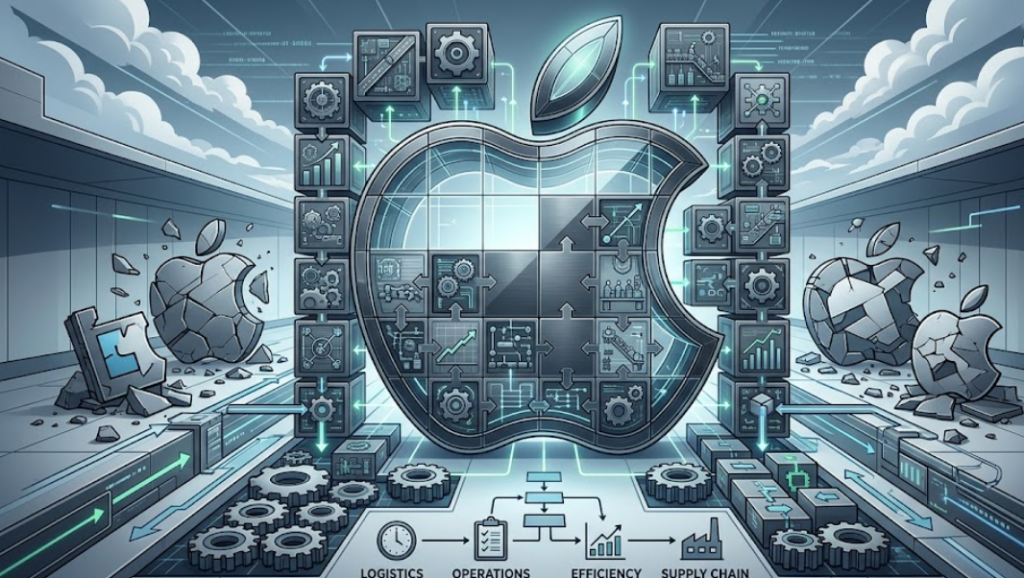
Under Cook, Apple avoided dramatic swings and instead refined what already worked. This meant improving supply chains, ensuring product reliability, and maintaining a strong ecosystem. Critics may call that boring, but in business terms, it’s highly effective.
From Visionary Chaos to Operational Precision
During the Jobs era, Apple thrived on disruptive ideas and creative tension. Cook, however, transformed the company into a more structured and predictable organization. That shift reduced internal chaos and allowed Apple to scale efficiently across global markets.
Rather than chasing every new trend, Cook focused on perfecting existing products like the iPhone, Mac, and services ecosystem. This strategy ensured steady growth rather than risky experimentation. As a result, Apple became less about sudden breakthroughs and more about consistent excellence.
Financial Growth Speaks Loudest
The numbers under Cook’s leadership tell a compelling story. Apple’s valuation skyrocketed from hundreds of billions to trillions of dollars, making it one of the most valuable companies in the world.
Revenue, profits, and shareholder returns all increased dramatically. Even critics who questioned Apple’s pace of innovation couldn’t ignore its financial dominance. Cook’s focus on efficiency, services, and global expansion turned Apple into a reliable profit engine rather than a volatile innovator.
Innovation—Just Less Flashy
One major criticism of Cook is that Apple hasn’t produced a “revolutionary” product on the scale of the iPhone. While that may be partly true, it overlooks quieter innovations. Products like the Apple Watch, AirPods, and Apple Silicon chips have reshaped their respective markets in more gradual ways.
Cook’s Apple doesn’t chase hype. Instead, it builds products that integrate seamlessly into users’ lives. This approach may feel less exciting, but it often leads to longer-lasting success.
Why Boring Wins in the Long Run
The core argument is simple: boring leadership can be powerful. Cook prioritized stability, efficiency, and incremental improvement over risky bets. In doing so, he ensured Apple remained dominant long after its charismatic founder was gone.
In a tech industry often driven by hype and bold promises, Apple’s steady approach stands out. Cook proved that you don’t need to be flashy to win—you just need to execute consistently at a high level.
Final Thoughts
Calling Tim Cook “boring” isn’t entirely wrong—but it misses the bigger picture. His leadership style brought discipline and scalability to Apple, turning it into a financial and technological powerhouse.
In the end, what seemed like a weakness became a strength. Cook didn’t try to replace Steve Jobs—he built a different kind of Apple, one defined not by spectacle, but by sustained dominance.
Read Also: Tim Cook to Step Down as Apple CEO
News Source: Pcmag.com
Leave a Reply