

When it comes to flagship smartphones, two of the most recognizable names in the industry are Samsung and Google. Both companies consistently push the envelope in terms of technology, design, and performance. With the release of the Samsung Galaxy S26 and the Google Pixel 10, consumers are faced with a tough decision on which device to choose. Each phone comes with its own set of unique features, strengths, and potential drawbacks.
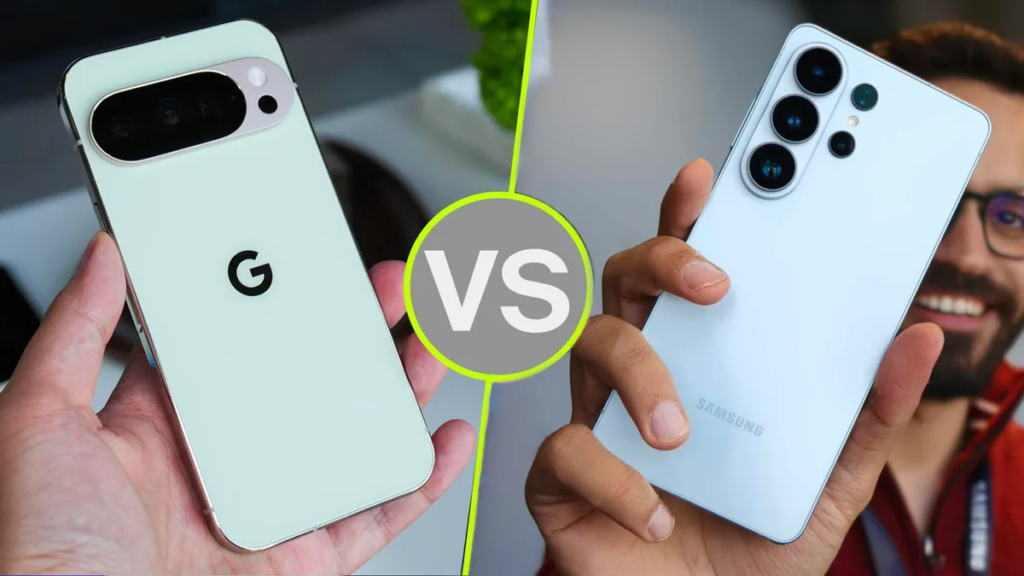
In this article, we will compare the Samsung Galaxy S26 and the Google Pixel 10 across several categories, including design, performance, camera quality, battery life, software, and value for money, helping you make an informed decision about which smartphone is the best fit for your needs.
Design and Display
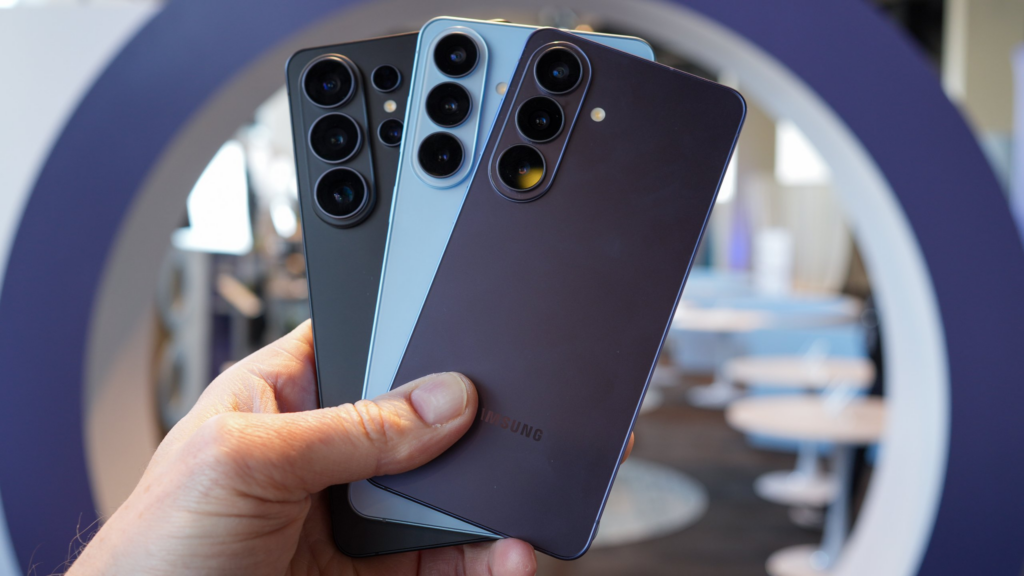
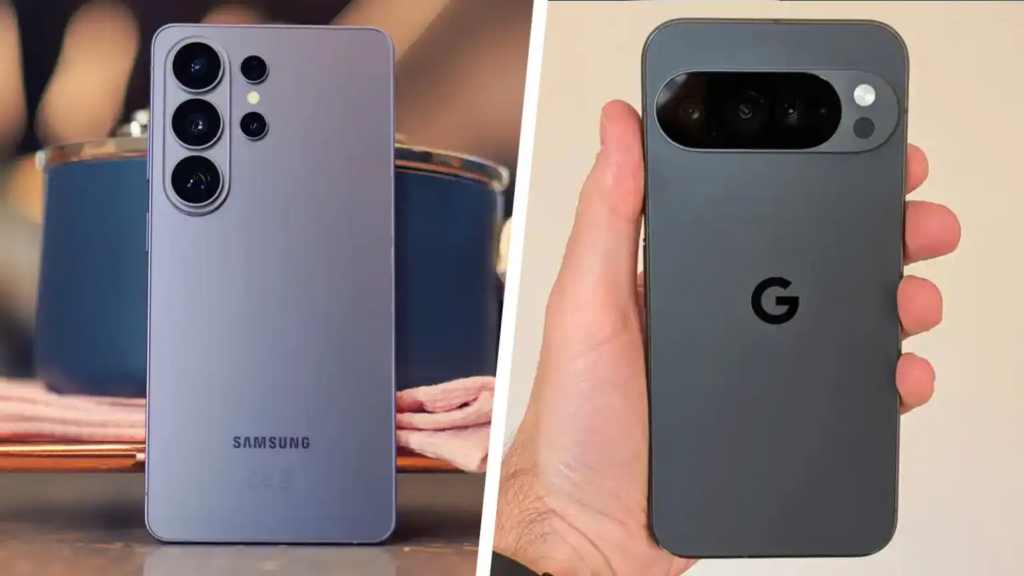
When it comes to design, both the Samsung Galaxy S26 and Google Pixel 10 stand out with their premium looks and feel. Samsung has always been known for producing high-end devices, and the S26 is no exception. The Galaxy S26 boasts a sleek, modern design with a glass front and back and an aluminum frame. It is slightly more curved along the edges, giving it an ergonomic feel that is comfortable to hold. Samsung’s emphasis on minimalism is evident, with a small punch-hole camera and ultra-thin bezels that provide a nearly edge-to-edge display.
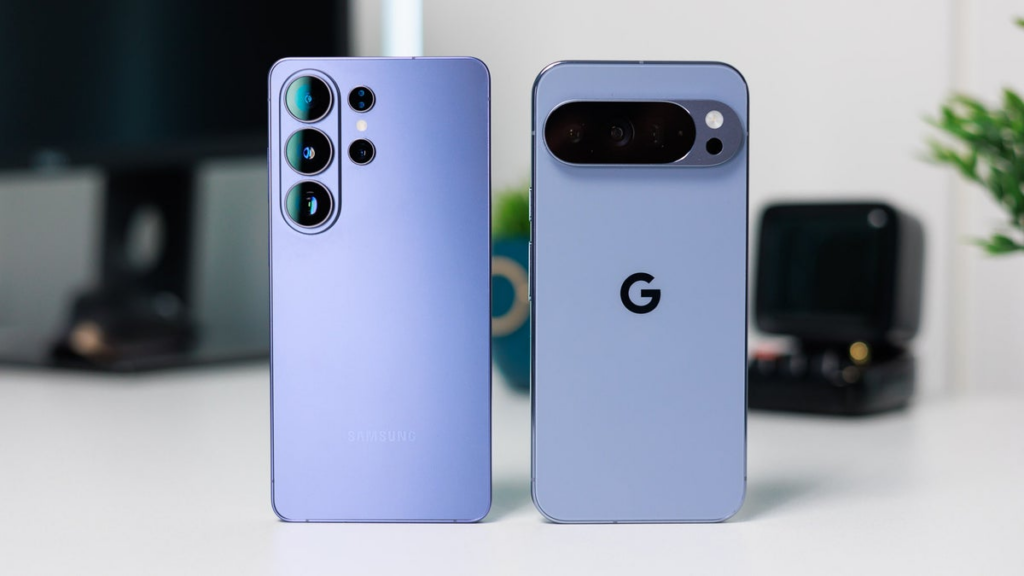
The Google Pixel 10, on the other hand, sticks to a more traditional design philosophy. While the Pixel 10 has a glass back, it uses a more angular frame compared to the S26’s more rounded design. The Pixel 10 has a more distinctive rear camera module, which adds a unique character to the phone. However, its bezels are slightly thicker than those of the Galaxy S26, which gives the Samsung phone a more modern and premium look.
In terms of display, both phones feature OLED screens that offer vibrant colors and deep blacks. The Samsung Galaxy S26 comes with a 6.8-inch Dynamic AMOLED display with a resolution of 3200 x 1440 pixels, offering a high refresh rate of 120Hz. This makes it an excellent option for gaming and smooth scrolling, especially when compared to the Google Pixel 10‘s 6.5-inch OLED display, which has a resolution of 2400 x 1080 pixels. The Pixel 10, while still offering a stunning display, doesn’t quite match up to the Galaxy S26’s sharpness and refresh rate.
Performance and Hardware
Both smartphones are packed with cutting-edge hardware, but they take different approaches when it comes to the internals. The Samsung Galaxy S26 is powered by the Qualcomm Snapdragon 8 Gen 3 chipset (or the Exynos 2400 in some regions), which is one of the most powerful processors available. Coupled with up to 16GB of RAM, the S26 delivers an incredibly fast and responsive experience. Whether you’re multitasking, gaming, or running demanding apps, the Galaxy S26’s performance is likely to be smoother and faster than the Pixel 10.
The Google Pixel 10, on the other hand, uses the Google Tensor G3 chip, which was designed specifically by Google to optimize AI performance and enhance overall efficiency. While the Tensor G3 may not offer the raw power of the Snapdragon 8 Gen 3, it shines in areas such as machine learning, AI-powered features, and software optimization. The Pixel 10’s software experience is often smoother because of this integration, especially in tasks like voice recognition, image processing, and language translation.
In terms of RAM, the Pixel 10 comes with a standard 8GB, which is more than sufficient for everyday use but falls short when compared to the S26’s higher RAM capacity. This could be a consideration for users who prioritize performance in demanding applications or gaming.
Camera Quality
When it comes to camera quality, both the Samsung Galaxy S26 and Google Pixel 10 offer impressive setups, but each phone takes a different approach to imaging.
The Samsung Galaxy S26 boasts a triple-camera system, including a 200MP main sensor, a 12MP ultrawide lens, and a 10MP telephoto lens with 3x optical zoom. Samsung continues to lead in camera hardware, and with the new 200MP sensor, the Galaxy S26 is capable of capturing incredible detail and vibrant colors, even in low-light conditions. The telephoto lens also adds a significant advantage for users who need zoom capabilities. Samsung’s camera app includes various features like Super Steady video, 8K recording, and multiple pro modes for a highly customizable experience.
The Google Pixel 10, known for its computational photography, focuses more on software optimization than sheer hardware. The Pixel 10 features a dual-camera setup with a 50MP main sensor and a 12MP ultrawide lens. While the Pixel 10 doesn’t boast the same megapixel count as the Galaxy S26, Google’s software expertise shines through in areas like night photography, dynamic range, and post-processing. The Pixel’s Night Sight feature and Magic Eraser tool for editing photos give it an edge in certain situations. Google’s machine learning capabilities ensure that the Pixel 10 delivers highly accurate colors, great detail, and sharp images in virtually all lighting conditions.
In conclusion, if you prioritize raw megapixel count and zoom capabilities, the Galaxy S26 may be the better option. However, if you prefer a more software-centric approach with excellent results in terms of detail, dynamic range, and AI enhancements, the Pixel 10 will likely serve you well.
Battery Life
Both the Samsung Galaxy S26 and the Google Pixel 10 are equipped with large batteries designed to last throughout the day, but the overall battery life will depend on how efficiently each phone handles power management.
The Samsung Galaxy S26 has a 5,000mAh battery, which, combined with its power-efficient AMOLED screen and the high-end Snapdragon 8 Gen 3 processor, ensures all-day battery life. With a 120Hz display, you may notice quicker battery depletion when gaming or streaming videos, but generally, the S26’s battery should last a full day with moderate use. The phone also supports 45W fast charging, which can charge your device up to 50% in about 30 minutes, ensuring that you’re not waiting long to power up.
The Google Pixel 10, with its 5000mAh battery, also promises all-day usage. However, the Pixel 10’s battery optimization is more focused on AI and background processes. While it supports 30W fast charging, which is slightly slower than the Galaxy S26, it’s still relatively quick for most users. The Pixel 10 offers excellent power management, thanks to its Tensor chip and software optimization, which means you may not notice a significant difference in real-world battery life, even with a smaller fast-charging capacity.
Software and User Experience
One of the most significant differences between the Samsung Galaxy S26 and the Google Pixel 10 lies in the software experience.
The Samsung Galaxy S26 runs on One UI 6, Samsung’s custom skin built on Android 14. One UI is feature-rich and offers a highly customizable experience, giving users a lot of control over how their phone looks and feels. It includes a range of Samsung-specific features like Samsung DeX, Samsung Pay, and Bixby, along with enhanced multitasking options. While One UI has improved over the years, some users might find it a bit bloated with pre-installed apps.
The Google Pixel 10, on the other hand, offers a clean, stock Android experience with minimal bloatware. Pixel devices receive updates directly from Google, meaning the Pixel 10 will always be the first to get the latest Android features and security patches. Google’s approach emphasizes simplicity, fluidity, and integration with Google’s ecosystem, including features like Google Assistant, Google Lens, and Google Photos. The Pixel 10 also offers a suite of exclusive features, including Call Screen, Hold for Me, and Live Translate, which enhance the overall user experience.
Pricing and Value for Money
Pricing is always a crucial consideration when choosing a flagship phone, and both the Samsung Galaxy S26 and Google Pixel 10 are premium devices with corresponding price tags.
The Samsung Galaxy S26 will likely come with a premium price, especially considering its top-tier specifications, larger RAM capacity, and powerful camera system. However, if you’re willing to invest in a phone that offers cutting-edge hardware, a top-notch display, and excellent camera performance, the S26 is a solid choice.
The Google Pixel 10, on the other hand, typically offers a more affordable price point while still delivering an outstanding camera experience and the purest Android experience. Google’s focus on software optimization and the AI capabilities of the Tensor chip make it an excellent choice for users who prioritize a seamless user experience and innovative features over hardware specifications alone.
Conclusion
Choosing between the Samsung Galaxy S26 and the Google Pixel 10 ultimately depends on what you value most in a smartphone. If you’re looking for a powerhouse with a stunning display, a high-quality camera, and cutting-edge performance, the Galaxy S26 might be the better fit for you. However, if you prefer a clean, software-optimized experience with excellent AI-powered features, camera quality, and timely software updates, the Google Pixel 10 is hard to beat.
Leave a Reply